
If you’re experiencing a lot of pimples on your back, it’s not uncommon, and it can be frustrating. Here’s what it could mean, the possible causes, and what you can do about it.
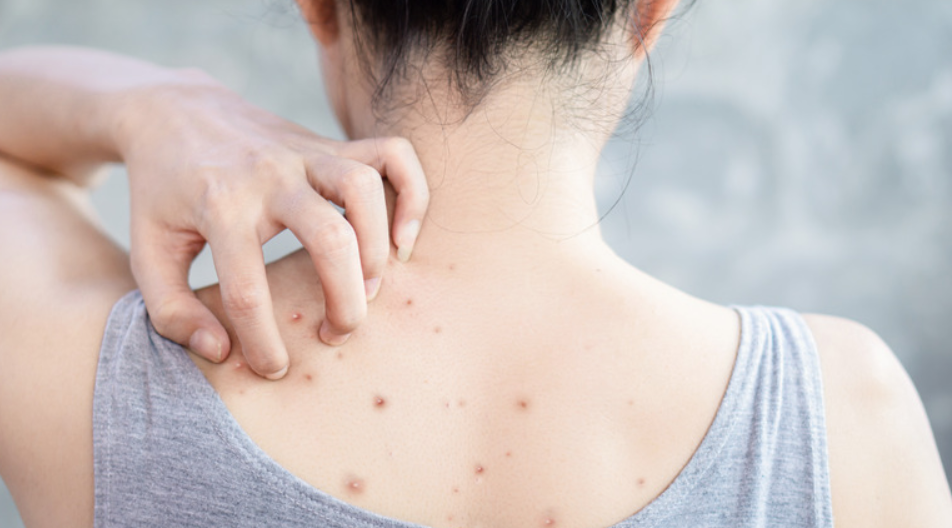
🔍 What Are Back Pimples?
Back acne (also called bacne) happens when your hair follicles get clogged with:
- Excess oil (sebum)
- Dead skin cells
- Bacteria
This can lead to whiteheads, blackheads, painful cysts, or inflamed red bumps.
🧠 What Causes It?
Here are the most common reasons:
- Hormonal changes – Especially during puberty, menstruation, or stress (which increases oil production).
- Sweating and friction – Tight clothes, backpacks, or not showering after workouts can trap sweat and bacteria.
- Poor hygiene – Not washing your back thoroughly, especially after sweating.
- Diet – Some people break out from dairy or high-sugar diets.
- Genetics – If your family has a history of acne, you may be more prone to it.
- Skin or hair products – Some lotions, body washes, or shampoos can clog pores (“comedogenic” products).
⚠️ What It Could Mean About Your Health
In most cases, back acne is not dangerous. But if it’s:
- Severe,
- Painful, or
- Spreading quickly,
…it might indicate a hormonal imbalance (like PCOS in women), high stress levels, or even an allergic reaction.
If it doesn’t improve, seeing a dermatologist is a good idea.
💡 How to Treat and Prevent Back Acne
✅ Daily care:
- Use a gentle body wash with salicylic acid or benzoyl peroxide.
- Avoid heavy lotions or oils on your back.
- Wash your back after sweating.
- Wear loose, breathable clothing.
- Change bed sheets regularly.
🧴 Helpful products:
- Salicylic acid sprays (easy to apply on the back)
- Benzoyl peroxide wash (5–10%)
- Non-comedogenic moisturizers
🚫 Avoid:
- Scrubbing too hard (irritates the skin)
- Picking at pimples (causes scarring)
🩺 When to See a Doctor
- If it’s painful or cystic
- If it leaves dark spots or scars
- If over-the-counter products don’t help after 4–6 weeks
A dermatologist can prescribe stronger treatments like topical retinoids, antibiotics, or hormone therapy.