
In the quiet fictional town of Everbrook, a shocking case stunned both residents and legal experts alike.
A 17-year-old teen, whose identity has been fictionalized as Eli Rivers, was arrested after forensic evidence tied him to the assault of a 98-year-old woman, Ms. Agnes Holloway, a beloved community figure and retired schoolteacher.
The case wasn’t just disturbing—it raised profound questions about justice, rehabilitation, and age accountability.
“A Crime That Crosses All Lines”

The case against Eli was swift and heavily supported by DNA evidence.
Investigators say the attack happened in the early morning hours of a stormy Tuesday, when Eli allegedly broke into Ms. Holloway’s home under the cover of darkness.
Despite her age, Ms. Holloway managed to trigger a silent alarm, leading police to arrive just minutes after the assault—enough to preserve critical evidence and eventually identify the assailant.
The district attorney described it as “a crime that shattered generational trust and decency.”
Public Outcry and a Divided Nation
Once the details became public, the fictional case quickly went viral.

News outlets, social media users, and legal analysts all weighed in. The crime was horrific—but so was the idea of sentencing a 17-year-old to life without parole.
The debate ignited:
“Is a life sentence too severe for a 17-year-old?”
“Should age excuse accountability in crimes of this scale?”
While some argued Eli’s youth indicated he could be rehabilitated, others insisted the severity of the offense required the harshest sentence available.
The Courtroom Moment
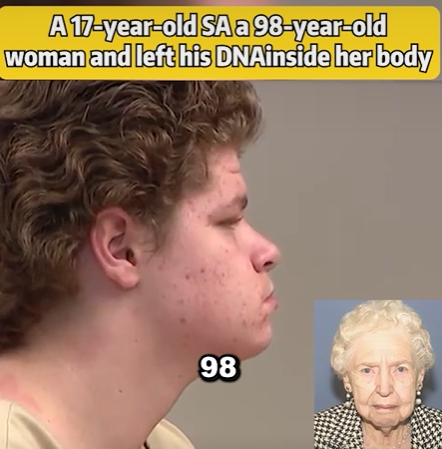
In a tense fictional courtroom scene, Ms. Holloway, seated in a wheelchair and surrounded by supporters, addressed her attacker directly:
“You took something from me, yes. But I refuse to let you take my peace.”
Eli showed minimal emotion during the trial—another point of controversy. Psychologists argued he showed signs of trauma himself, while prosecutors insisted it reflected “conscious disregard.”
A Fictional Verdict That Echoes Far Beyond the Courtroom
Ultimately, the jury delivered a life sentence, with eligibility for parole after 35 years. The judge emphasized that the court had a duty to balance mercy with justice, but in this case, justice had to be prioritized.
The fictional case is now studied in universities as a moral and legal paradox—a reflection of the tension between youthful error and irreversible harm.
A Story Meant to Challenge Perspective
Though fictional, this story asks real questions:
- Can someone too young to vote truly understand the weight of their actions?
- Should rehabilitation be guaranteed, even after the most unforgivable crimes?
Everbrook may not be real—but the questions raised by this case are ones society continues to wrestle with today.