
At just 15 years old, a teenager stood accused of committing a triple murder—a crime that devastated families and left an entire community searching for answers.
The Courtroom Decision
During the trial, the judge listened to witnesses, examined the evidence, and ultimately handed down the maximum punishment: life in prison without parole.
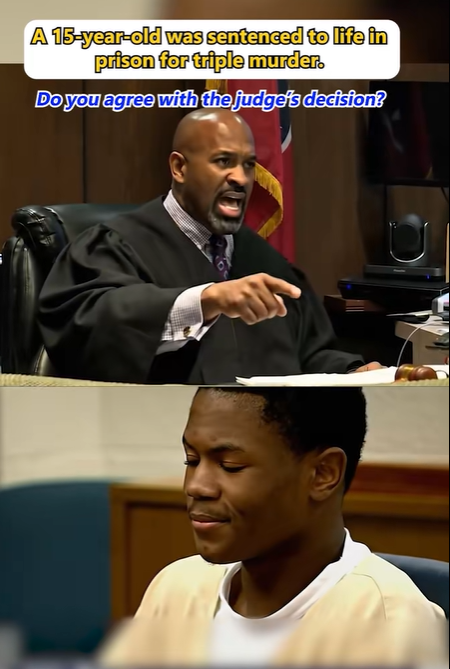
The ruling sent a strong message about accountability, regardless of age.
The Victims’ Voices
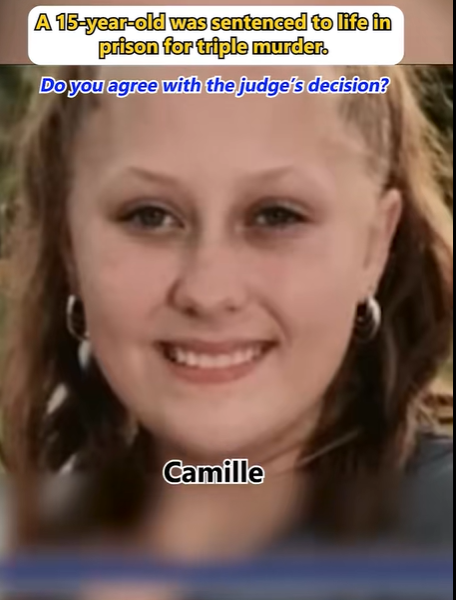
Among those lost was Camille, remembered by her loved ones as a bright light taken far too soon.
Families of all three victims shared their heartbreak in court, demanding justice for the lives cut short.
The Teen’s Reaction
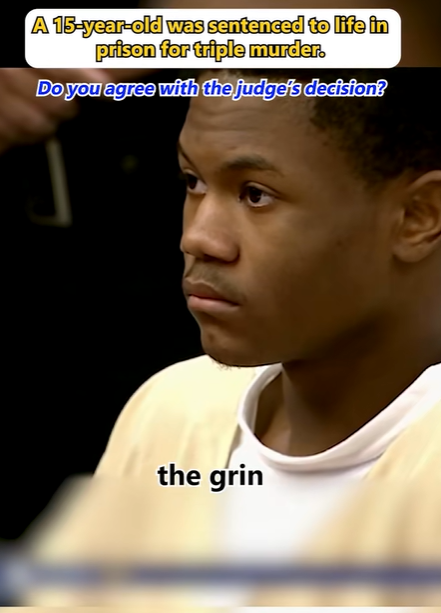
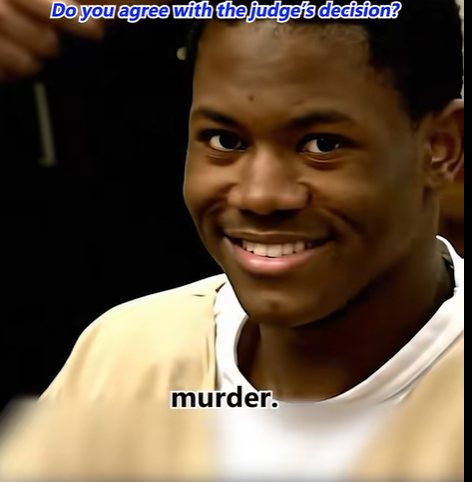
As the sentence was read, observers noted the teen’s grin and calm demeanor.
This reaction sparked outrage among many, who saw it as a lack of remorse, while others questioned whether it reflected immaturity rather than malice.
A Divided Debate on Juvenile Sentencing
The case has fueled an ongoing national debate:
- Should a teenager be given life in prison with no second chance?
- Or should age, potential for rehabilitation, and brain development be weighed more heavily in sentencing?
The Larger Question
This case is not only about one crime—it forces society to reflect on justice, punishment, and redemption.
Where should the line be drawn when it comes to juveniles who commit adult-level crimes?